Sleep-Friendly Sliding Wardrobes That Move in Silence
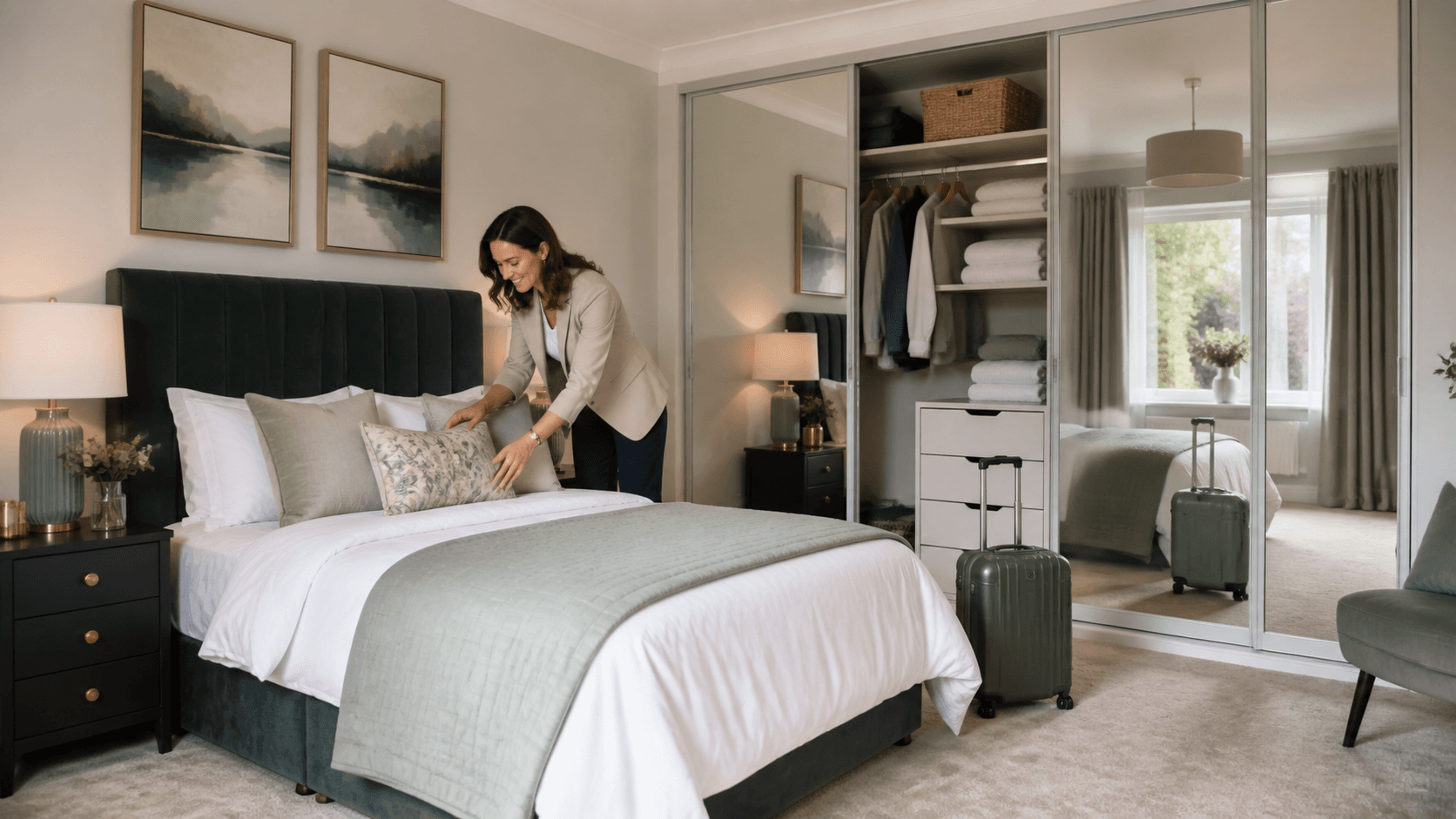
Quiet bedroom wardrobes with sliding doors are not a luxury, they are basic peace of mind. When doors rattle, grind or slam, everyone in the room knows about it, and often the next room too. In smaller UK homes and flats, where beds sit close to wardrobes, noisy doors can easily disturb a light sleeper or a napping child.
That is why the mechanism behind the door matters just as much as the colour or style on the front. The right track and runner system keeps movement smooth, soft and calm, so your bedroom feels like a sanctuary instead of a storage cupboard. In this guide, we will look at the main types of sliding wardrobe mechanisms and tracks, how they affect noise, glide and long-term strength, and how to choose what suits your space, especially if you are planning a summer refresh or getting ready for a house move.
At Sliding Wardrobes we specialise in modern sliding, hinged and mirrored wardrobes for UK homes, with free mainland delivery and optional assembly, so we spend a lot of time thinking about how doors move, not just how they look. Let us break it down in clear, simple terms so you can pick a system that feels calm every time you open it.
How Sliding Wardrobe Door Mechanisms Actually Work
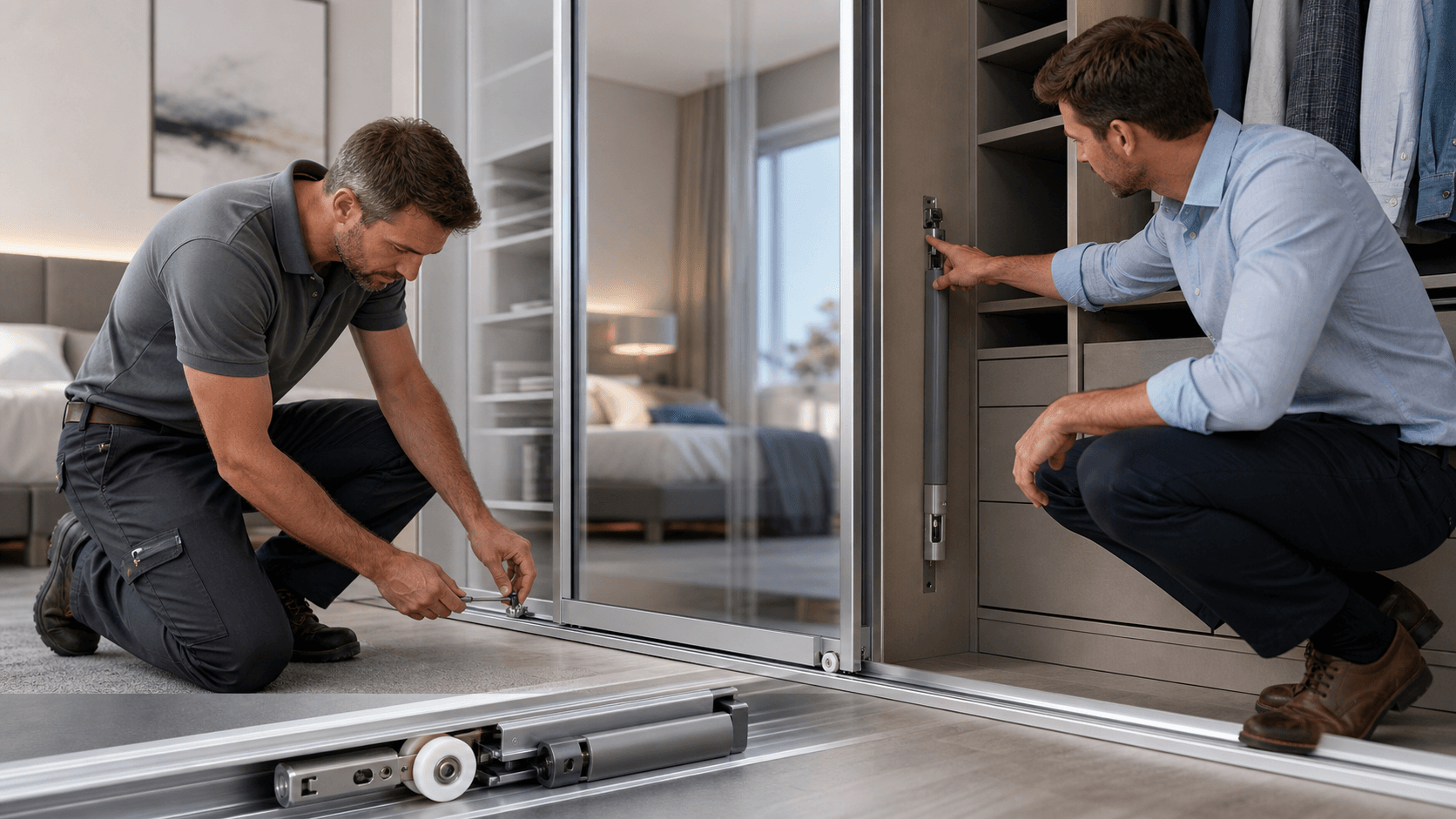
Behind every smooth door there is a simple set of parts working together. Most bedroom wardrobes with sliding doors share the same basic anatomy:
- Top and bottom tracks that guide the door
- Rollers or runners that carry the weight and help the door glide
- Soft-close or brake units that slow the door at the end of travel
- Door panels in MDF, mirrored glass, plain glass or a mix of panels
There are two main ways a sliding system carries the weight. In a top-hung system, most of the load hangs from the top track, with a guide at the bottom to keep the door in line. This often feels very smooth and light to move, but the top fixings must be strong and accurate. In a bottom-rolling system, the weight sits on the lower track, which can be more forgiving on older or slightly uneven floors that are so common in UK houses.
Soft-close and damping units play a big part in how quiet a wardrobe feels. They catch the door before it reaches the end, gently pulling it into place instead of letting it slam into the side panel. That makes a big difference when wardrobes back onto a shared wall or when someone is up earlier than everyone else.
Door weight matters too. Mirrored or glass doors are heavier than plain MDF, so they need stronger rollers and better bearings to stay safe and smooth. If the mechanism is not designed for the weight, problems show up quickly:
- Door wobble or sway when you slide it
- Grinding or scraping sounds along the track
- Sticking, where the door jerks instead of gliding
Good mechanism design reduces these issues from day one, so you do not end up fighting with your wardrobe in the dark.
Choosing the Quietest Tracks for Bedroom Serenity
Not all tracks and runners sound the same. The materials and pairings make a big difference to noise levels. You will generally see three broad types:
- Basic metal tracks with hard plastic wheels
- Aluminium tracks with nylon or rubber-coated rollers
- Higher-spec ball-bearing systems with smooth running parts
Metal-on-metal contact tends to be louder, especially as dust builds up or if the track picks up tiny dents. Nylon or rubber-coated rollers running in an aluminium track are usually much quieter, since the softer material absorbs tiny bumps and reduces rattles.
For bedroom wardrobes with sliding doors, track quality is especially important. Doors get used early in the morning and late at night, and if you have thin walls or children next door you notice every clack and slam. That is where soft-close tracks and built-in buffers help a lot. They:
- Cut down echo from doors hitting the frame
- Reduce wear on edges and fixings over time
- Make the whole system feel calmer and more controlled
When you are reading product details online, useful terms to look out for include nylon rollers, ball bearings, soft-close and anti-jump clips, which help keep the door from popping out of the track if it is knocked.
Smoothness and Glide: What Makes Doors Feel Premium
That luxury glide feeling does not happen by luck. It is a mix of good parts and careful fitting. High-quality systems use:
- Precision-shaped rollers so they sit perfectly in the track
- Consistent track profiles with no dips or twists
- Easy adjustment points so installers can fine-tune alignment
Cheaper systems can work, but they often have little tells: a tiny wobble halfway across, a spot where the door sticks, or a shudder as it closes. Mid to premium systems from specialists are built with smoother movement in mind, which you really notice in everyday use.
Keeping things clean helps too. Sliding tracks love to collect dust, crumbs, hair and in spring and summer especially, pollen. A light vacuum along the tracks and a soft cloth now and then keeps the rollers running freely. A suitable lubricant, used sparingly and only where recommended, can also help maintain that easy glide.
Door size plays into smoothness as well. Taller or wider doors act like longer levers, so any small misalignment shows more clearly. Bigger doors benefit from higher-spec runners and stabilising details that keep them steady from top to bottom. If you choose optional professional assembly, the fitter can set the doors level, adjust the tension and test the movement so everything feels right from the start.
Built to Last: Durability, Maintenance and Everyday Use
Sliding wardrobe systems are used every single day, often many times. The main wear points are:
- Rollers and bearings that carry the weight
- Track edges where the rollers run
- Soft-close units that catch the door
- Door fixings that hold panels to the runners
Higher quality components keep their shape and movement for longer, especially under the extra weight of mirrored doors. Generic bargain tracks can feel fine at first, but may start to click, bend or bind more quickly, which usually means more noise and more effort every time you open the wardrobe.
UK homes come with their own mix of conditions. Humidity changes between cooler winters and warmer summers, which can very slightly move timber frames and floors. Carpet, laminate and tile all support tracks differently too. Over time this can nudge alignment out, so it is worth a simple seasonal check.
A light spring or summer care routine could include:
- Gently vacuuming inside the tracks
- Wiping away dust, pet hair and grit
- Checking visible screws or brackets and tightening where safe
- Testing the soft-close to be sure it still catches smoothly
If the wardrobe body is still strong and looks good, but the doors feel rough or loud, it can be worth upgrading just the mechanisms and tracks rather than starting again with a whole new unit.
How to Choose the Right System for Your Bedroom
A calm, quiet wardrobe starts with a clear plan. Before you pick any system, it helps to:
- Measure the space, including ceiling height and opening width
- Look at the floor condition and how level it is
- Decide if you want mirrored, plain or mixed doors
- Think about how often each section of the wardrobe will be used
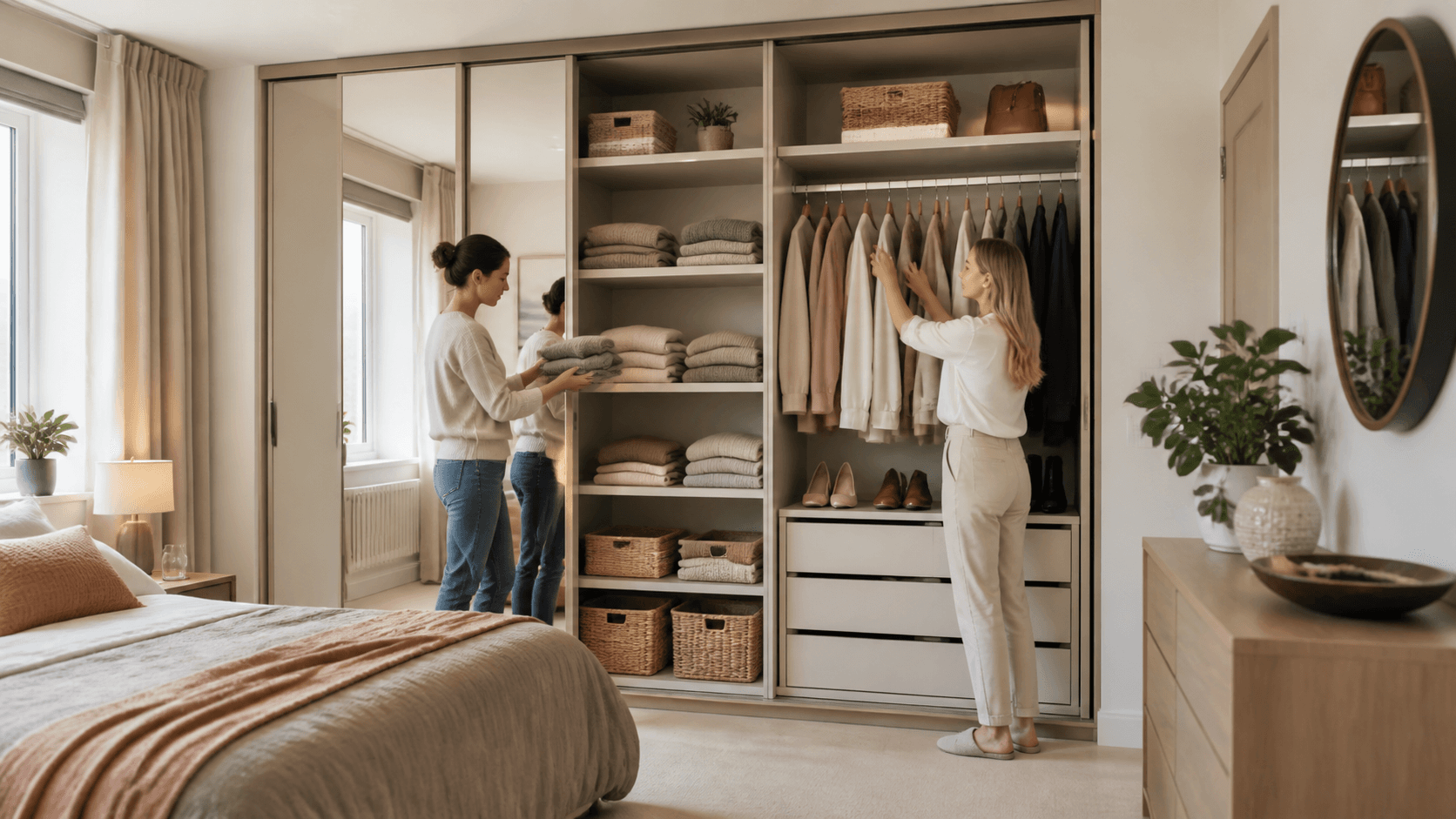
From there, you can match mechanism styles to daily life. Soft-close systems suit young families and light sleepers, because they cut sudden noise. Ultra-smooth premium runners feel great in main bedrooms where doors are used all the time. Strong, steady tracks work well in guest rooms, rentals or home offices where wardrobes get a different pattern of use.
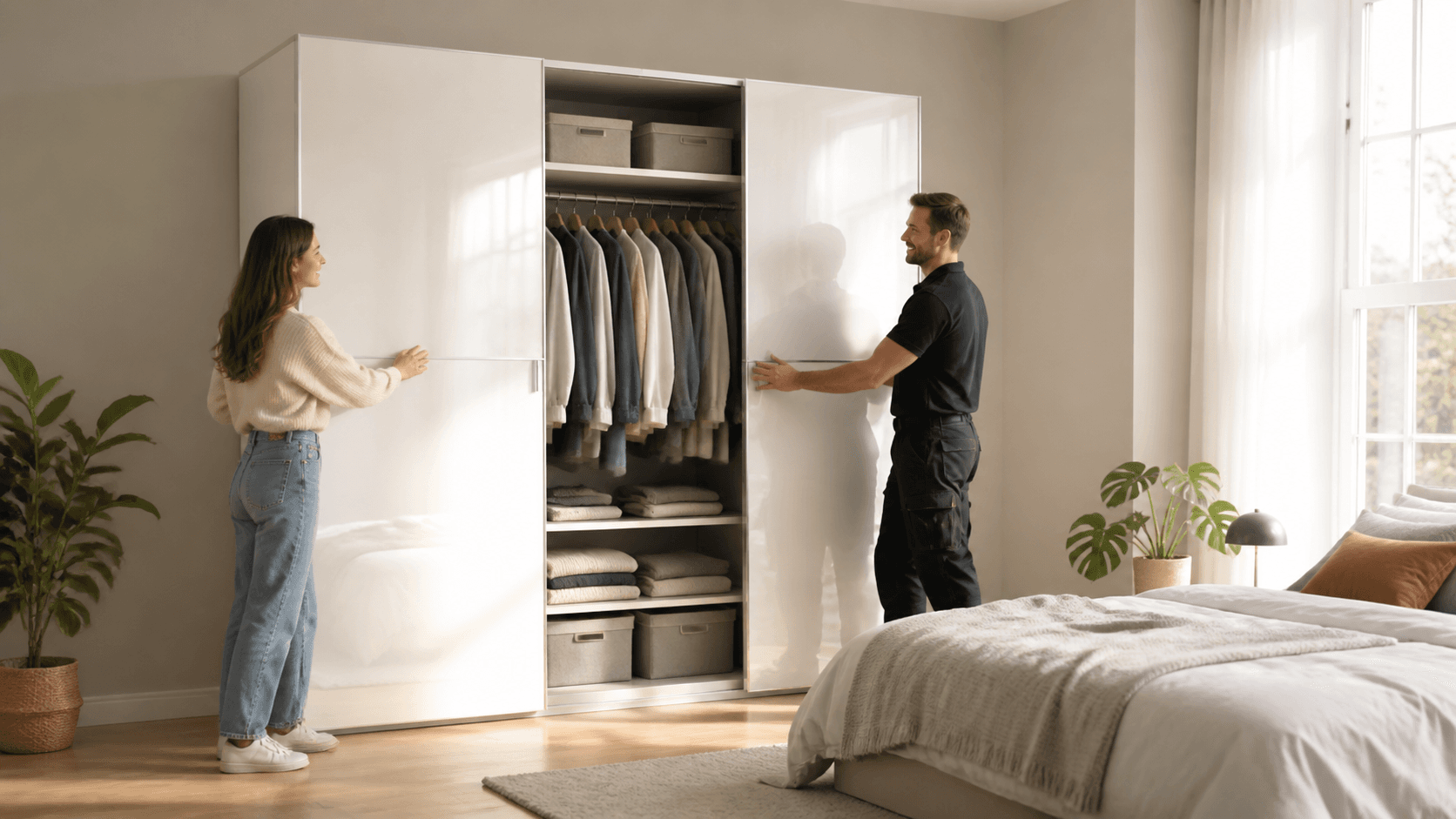
It is also worth thinking about long-term value. Spending a bit more on better tracks and runners usually pays off in less hassle, less noise and fewer repairs later. Fitting plays a big role too. Confident DIYers may be happy to install and adjust everything themselves, while others prefer optional professional assembly so the doors are perfectly lined up from day one.
Product details, photos, reviews and videos are all handy when you are comparing systems online. Listening for how doors sound as they close and watching for wobble or sway tells you a lot about the mechanism behind the style on the front.
Before your next long lie-in, it is worth knowing that noisy wardrobe doors are not something you just have to live with. With the right choice of track, rollers and soft-close, bedroom wardrobes with sliding doors can be quiet, smooth and built to last, turning storage into part of a calmer, more restful room.
Get Started With Your Project Today
Transform the look and feel of your space with our expertly designed bedroom wardrobes with sliding doors, tailored to suit both your storage needs and your style. At Sliding Wardrobes, we work closely with you to create a practical layout that makes the most of every inch of your bedroom. If you would like help choosing finishes, sizes or internal configurations, simply contact us and we will guide you through your options.